Move in Minutes: The Power of Exercise Snacking

Today we’re exploring exercise snacking—brief, purposeful bursts of movement sprinkled through your day to strengthen the heart, stabilize blood sugar, ease blood pressure, and lift energy. Backed by growing research, these tiny sessions meet busy schedules, protect long-term health, and feel surprisingly doable. Try a few minutes after meals, between meetings, or while the kettle boils, then share your wins. Small choices, repeated often, create momentum, confidence, and measurable cardiometabolic progress without overhauling your entire routine.

Why Tiny Bouts Transform Your Heart and Metabolism

Short bouts of activity repeatedly contract large muscle groups, pulling glucose from the bloodstream, enhancing insulin sensitivity, and stimulating blood vessel function through shear stress and nitric oxide release. Frequent movement also breaks prolonged sitting, reducing inflammatory signals and improving lipid profiles. Together, these micro-moments act like gentle nudges that accumulate into meaningful cardiometabolic protection, without the intimidation or time barriers of long workouts. Think of movement as medicine, delivered in small, consistent doses your body eagerly recognizes and uses.

Interrupt the Chair, Interrupt the Risk

Extended sitting slows muscle metabolism and blunts glucose uptake, but brief breaks—two to five minutes of brisk walking, squats, or stair climbs—reawaken those pathways. Even light activity improves circulation and reduces postprandial spikes. Set timers, pair movement with routine cues, and treat every interruption as a protective reset. Over days and weeks, these small intermissions reduce fatigue, sharpen concentration, and lower markers associated with higher cardiometabolic risk, proving that consistent interruptions build a much safer baseline.

Glucose Spikes Get Smoothed

After meals, glucose rises quickly. Adding three to ten minutes of walking, cycling, or bodyweight movements nudges muscles to absorb circulating sugar more effectively. Many people notice steadier energy and fewer crashes. If you track with a continuous glucose monitor or capillary checks, experiment with timing and intensity to see your personal response. Gentle is often enough, especially if done consistently. Over time, those flattened peaks support healthier insulin dynamics and an easier relationship with food, movement, and recovery.

Blood Pressure Benefits Without Exhaustion

Brief, repeatable efforts can reduce arterial stiffness and support healthier endothelial function, steadily nudging blood pressure downward. You do not need to exhaust yourself; moderate bursts stimulate beneficial responses while respecting recovery. Try stair intervals or quick bodyweight sets, then breathe slowly to extend relaxation. Keep sessions bite-sized and frequent, and observe morning and evening readings for changes. Many find improved sleep and calmer mood alongside those numbers, reinforcing that small investments can yield a broad, heart-friendly dividend.

Getting Started in Five-Minute Windows

Begin with movements you already know, tied to daily anchors: coffee brewing, calendar reminders, or meeting breaks. Warm up within the session by starting gently, then add one or two slightly more demanding minutes. Use simple progressions—more reps, an extra flight of stairs, or brisker pace—while staying pain-free. Keep a short log of what you did and how you felt. The goal is not perfection but consistency, creating a pattern so automatic it continues even on hectic, imperfect days.

The Ten-Minute Walk That Punches Above Its Weight
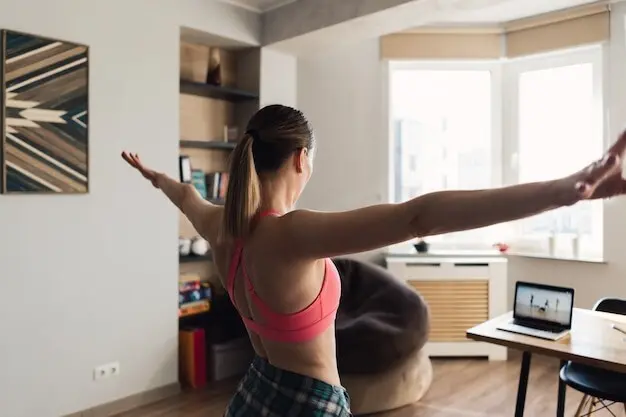
Head out at a relaxed, purposeful pace where conversation feels easy. Loop your block, walk a corridor, or pace your living room if weather intrudes. Maintain upright posture and steady breathing. Ten minutes is short enough to repeat after each main meal, yet long enough to matter. Invite a family member for connection and accountability. Track how you feel ninety minutes later; notice fewer yawns, steadier attention, and gentler hunger signals guiding wiser evening choices without rigid rules or restriction.

Stairs: Your Free Intensifier

When time is tight, stairs compress impact into moments. Try three to four rounds of twenty to thirty seconds up at a brisk, safe effort, then descend slowly for recovery. Hold the railing, watch your footing, and stop if form slips. Expect a pleasant burn without breathlessness you cannot control. Many notice quicker improvements in fitness and glucose control with this approach, because intensity remains brief yet potent. Start modestly, progress one round at a time, and celebrate each repeat.

Chair Squats and Calf Raises for Rainy Days

Indoors, alternate ten to fifteen controlled chair squats with twenty to thirty calf raises, repeated for three to five minutes. Focus on slow lowering, steady exhale as you stand, and soft knees at the top. Add a wall push-up set for variety. These patterns engage large muscle groups without impact or equipment, helping clear circulating glucose and re-energize your evening. Keep shoes nearby to eliminate excuses. If balance wobbles, lightly hold a countertop and move deliberately with patience.

Small Space, Zero Gear, Big Results

You do not need a gym to spark progress. Bodyweight moves, stairs, and household supports provide endless options in tiny spaces. Improve results by adjusting tempo, range of motion, density, or rest—not only by adding difficulty. Keep technique crisp and pain-free. Rotate between upper, lower, and cardio-focused minis to distribute workload. Track perceived effort on a simple one-to-ten scale to guide smart progression. With practice, five minutes feels rich, effective, and surprisingly satisfying within the busiest schedules imaginable.

Make It Stick: Habits, Tracking, and Motivation

Stack Moves onto Daily Cues

Implementation intentions transform intent into action: after I pour coffee, I’ll do one minute of countertop push-ups. After each email batch, I’ll climb one flight. Keep shoes visible, calendar reminders friendly, and sessions tiny enough to start immediately. If you miss, restart at the next cue without guilt. Over time, cues and actions fuse, reducing decision fatigue. Your day becomes a rhythm where health fits naturally, not another exhausting project demanding perfect willpower or elaborate scheduling to succeed consistently.

Track What Matters, Not Everything

Choose one or two indicators you’ll actually use: total mini-sessions, minutes moved, or an energy rating at midday and evening. Optional tech can help, but a sticky note works brilliantly. Review weekly, notice patterns, and adjust. If afternoons sag, insert a two-minute brisk walk. If mornings shine, protect that window. Avoid all-or-nothing thinking; partial progress still trains your physiology. The goal is informed experimentation that respects your life, body, and curiosity while keeping momentum high and stress sensibly low.

Celebrate Tiny Wins and Share

Motivation multiplies when recognized. Post your quick routine, text a friend, or comment with your favorite after-dinner walk route. Small celebrations wire your brain to repeat useful behaviors. Consider a weekly streak you protect gently, not rigidly. Invite coworkers to a five-minute break challenge and compare how energy shifts. If this guide helps, subscribe for fresh mini-protocols and practical science. Your stories inspire others, and together these shared nudges build a supportive culture where consistent movement feels normal, friendly, and contagious.

Safety, Inclusivity, and Progressions

Start where you are, not where you were. If you have cardiovascular, metabolic, orthopedic, or pregnancy considerations, consult a clinician and begin gently. Use the talk test to stay comfortable, stop with sharp pain, and prioritize technique over speed. Medications like insulin or beta-blockers change responses, so monitor accordingly. Progress gradually—add rounds, seconds, or a light incline. Recovery matters: rotate focuses and sleep well. By respecting signals and planning small steps, you’ll move forward confidently while protecting long-term health and joy.
Rinolumazentodexopexi
Privacy Overview

This website uses cookies so that we can provide you with the best user experience possible. Cookie information is stored in your browser and performs functions such as recognising you when you return to our website and helping our team to understand which sections of the website you find most interesting and useful.