Stretch, Reset, and Return Sharper

Back-to-back meetings shouldn’t cost your spine, shoulders, or concentration. Here we dive into stretch-and-reset sequences between meetings to reduce pain and boost focus, blending short mobility drills, breathing, and vision resets you can perform anywhere. Expect clear cues, flexible time options, and practical science that restores comfort quickly, preserves energy for deep work, and helps you greet the next conversation present, alert, and genuinely ready to contribute.

Why Micro-Resets Work So Reliably

Even tiny movement and breath changes shift your nervous system, joint mechanics, and circulation in minutes. By interrupting cumulative desk strain, you reduce nociceptive signaling, restore joint hydration, and reallocate attention networks. The result is less background discomfort, steadier arousal, and faster cognitive switching, so your next meeting starts with a body that feels supported and a mind that is already primed for clarity.

Foundations: Posture, Breath, and Timing

Start by learning simple checkpoints you can repeat anywhere: feet grounded, ribs stacked over pelvis, head gently retracted, jaw unclenched. Layer in diaphragmatic breathing that widens the lower ribs, followed by extended, quiet nasal exhales. Finally, protect transitions by reserving ninety to three hundred seconds between calls to move deliberately, rehydrate, and reset your visual system.

Posture Audit in 30 Seconds

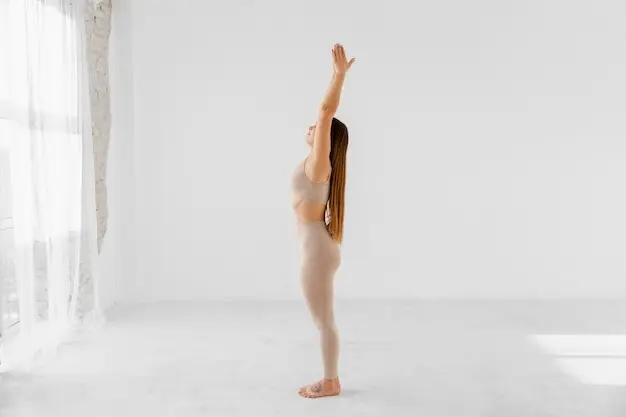
Stand or sit tall, distribute weight through mid-foot, and soften knees. Stack ribcage over pelvis, slide chin back without tilting, and draw shoulders down, not back. Breathe low and wide. If anything feels pinchy, reduce range and aim for comfort, not heroics.

Breath Reset Protocol

Inhale quietly through the nose for four, feeling the lower ribs expand sideways; pause softly. Exhale for six to eight through the nose, like fogging a mirror without sound. Repeat five rounds. Notice warmth in hands, slower heartbeats, and a calmer yet alert sense of presence.

Timing Your Transitions

End meetings at fifty or twenty-five minutes when possible, or claim a ninety-second buffer. Put the reset in your calendar title so colleagues expect it. Close the laptop, stand, sip water, and start the sequence before temptation pulls you into another tab.

Neck to Thoracic Glide Series

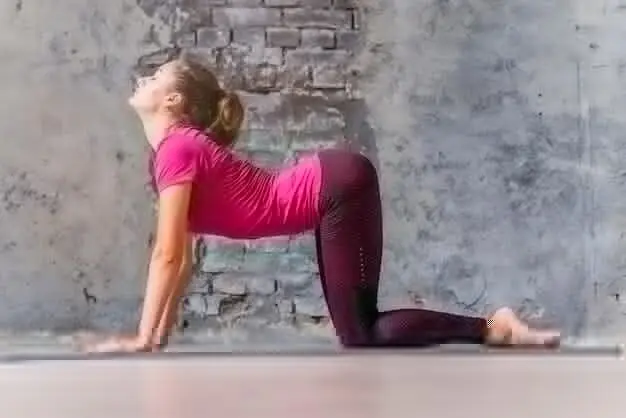
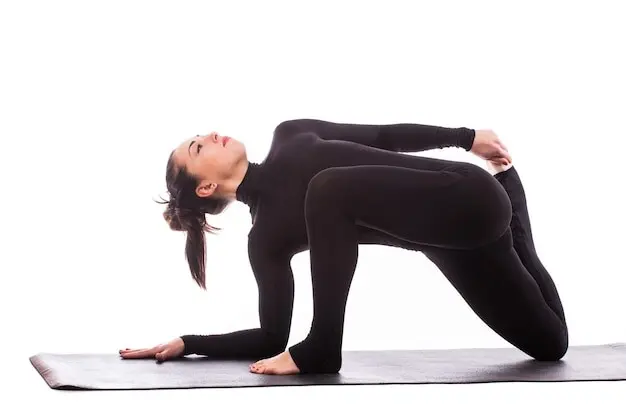
Begin with slow chin tucks, imagining length from tailbone to skull. Add yes-no head nods within pain-free ranges. Transition into thoracic rotations hugging yourself, then thread-the-needle on hands and knees. Maintain smooth nasal breathing. Finish with shoulder blade slides, feeling ribs expand as arms trace gentle arcs beside you.

Hip Flexor and Hamstring Pulse

Step into a split-stance lunge, back heel long, glute gently engaged, and pulse forward to open the front of the hip. Switch sides. Hinge at hips for a soft hamstring bow, micro-bending knees. Alternate twice. Keep exhaling longer, noticing tension melt from the lower back.

Vision Refresh and Calm-Alert Breath

Look far across the room or out a window, letting peripheral vision expand like a panorama. After thirty seconds, trace slow figure-eights with your eyes without moving your head. Pair this with three rounds of double inhale, single long exhale, then return to normal nasal breathing feeling clearer.

Ninety-Second Express Reset

Some days there is barely a minute to spare. This compact protocol stacks spinal decompression, wrist relief, and a tiny cardio burst to flip your arousal state without sweat. It fits between calendar alerts, leaves you calmer, and primes sharper listening immediately.

Pain-Specific Modifications

Replace deep forward folds with supported hip hinges using hands on thighs or a countertop. Emphasize glute engagement during split-stance pulses, keeping ribs stacked. Prioritize long exhales. If standing aggravates symptoms, perform the entire reset seated, focusing on gentle spinal wave, ankle pumps, and expansive, low rib breathing.
Skip aggressive stretches. Favor small nods, side glides, and scapular clocks against a wall to map gentle motion. Keep jaw relaxed, tongue resting on the palate, and eyes soft. Stop before pain, then return after a breath or two; cumulative ease beats heroic intensity.
Dim screens, blink slowly ten times, and look thirty feet away for half a minute. Massage temples, brow, and jaw hinges with feather pressure. Breathe longer on the exhale. Lightly hydrate. Notice how neck muscles let go as your gaze broadens and face quietly relaxes.

Make It Stick: Habits, Tracking, and Culture

Consistency transforms quick relief into lasting freedom. Tie resets to existing cues, measure what matters, and invite teammates to join. The shared language of movement normalizes care, protects calendars, and builds energy across your week. Start tiny, track wins, and celebrate fewer aches and clearer thinking. Share your favorite combination in the comments, invite a colleague, or subscribe for fresh sequences and monthly accountability challenges that make consistency feel surprisingly fun.

Calendar Cues and Space Design

Rename meetings with micro-buffers, place a water bottle and mobility tool where you usually stand up, and keep shoes you can move in under the desk. Sunlight, a plant, or a doorway pull-up bar becomes a reminder that bodies, like minds, thrive through small, frequent inputs.
Personal Metrics that Matter

Track a simple score after each reset: pain level, breath ease, and focus clarity. Compare against days you skip. Watch trends over weeks, not hours. When you see steadier afternoons and kinder mornings, motivation grows naturally, and the habit starts paying compounding dividends.
Team Rituals that Normalize Moving

Open group calls with one minute of posture, breath, and gaze reset, rotating leadership weekly. Publish a shared playlist and a short video demo. Ask for quick feedback in chat. These respectful rituals protect people, improve presence, and quietly raise the bar on collaboration quality.

Rinolumazentodexopexi
Privacy Overview

This website uses cookies so that we can provide you with the best user experience possible. Cookie information is stored in your browser and performs functions such as recognising you when you return to our website and helping our team to understand which sections of the website you find most interesting and useful.