Move Better Between Meetings
Why Movement Minutes Matter
The 20-8-2 Rhythm, Simplified
A practical cadence many teams adopt is twenty minutes primarily sitting, eight minutes standing, and two minutes moving with purpose. It does not need to be perfect; it just needs to be intentional. Set a gentle reminder, stand during certain emails, then add a focused movement snack. Over a full day, those short resets compound into easier posture, calmer shoulders, and surprisingly better focus when meetings stack close together.
Microcirculation And Focus Boost
A practical cadence many teams adopt is twenty minutes primarily sitting, eight minutes standing, and two minutes moving with purpose. It does not need to be perfect; it just needs to be intentional. Set a gentle reminder, stand during certain emails, then add a focused movement snack. Over a full day, those short resets compound into easier posture, calmer shoulders, and surprisingly better focus when meetings stack close together.
From Lost Commutes To Intentional Motion
A practical cadence many teams adopt is twenty minutes primarily sitting, eight minutes standing, and two minutes moving with purpose. It does not need to be perfect; it just needs to be intentional. Set a gentle reminder, stand during certain emails, then add a focused movement snack. Over a full day, those short resets compound into easier posture, calmer shoulders, and surprisingly better focus when meetings stack close together.
60-Second Neck And Shoulder Reset
Desk-Friendly Thoracic Extensions
Wrist And Forearm Unwind For Typing Days

Hips, Hamstrings, And Low Back Support
Ankles, Feet, And Fresh Circulation
Calf Pumps And The Ankle Alphabet
While seated or standing, rise onto your toes, pause, then lower slowly, feeling an even press through the big toe and little toes. Perform ten to fifteen pumps. Next, lift one foot and draw the alphabet in the air, ankle leading, knee quiet. Switch sides. These patterns lubricate stiff joints and wake the calves without sweat. They fit neatly under a conference table or beside a standing desk when camera and microphone remain politely active.
Barefoot, If Possible, For Stronger Arches
If your environment allows, slip off shoes for a minute and practice gentle toe spreads, then press the big toe down while lifting the others. Try short towel scrunches to train the arch, keeping the ankle neutral rather than rolling inward. Strong, responsive feet reduce wobble up the chain, easing knees and hips during walks. Even in socks, these drills create awareness that translates into steadier posture when stepping away between back-to-back messages and tasks.
Walk The Meeting, Win The Afternoon
Convert one audio-only call into a short walk, even just circling your floor or hallway. Keep shoulders relaxed, arms swinging naturally, and let your breath guide the pace. The change of scenery plus gentle movement flushes stale energy and kickstarts creativity. Jot ideas immediately afterward to capture the spark. By deliberately scheduling walking conversations, you protect mobility without sacrificing deliverables, turning everyday collaboration into a quiet engine for lasting comfort and sharper thinking.

Breath, Eyes, And The Midday Reset

Build Your Personal Routine
Make It A Team Habit
One Meeting, One Movement
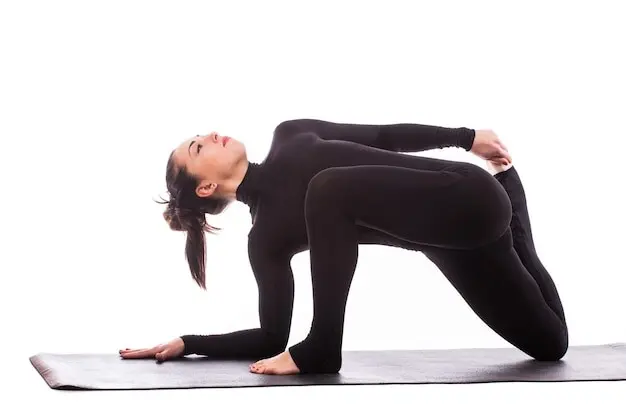
Start every standing or virtual gathering with a single, universal reset: wrist circles, shoulder rolls, or gentle thoracic extensions. Keep it inclusive, optional, and truly brief. People who initially feel shy often join by week two when they notice the immediate relief. Document a small library so facilitators can swap moves. This light tradition transforms meetings from energy drains into calm, clear launchpads, proving that professionalism and practical body care can absolutely coexist and even reinforce results.
Office Corners And Home Nooks
Start every standing or virtual gathering with a single, universal reset: wrist circles, shoulder rolls, or gentle thoracic extensions. Keep it inclusive, optional, and truly brief. People who initially feel shy often join by week two when they notice the immediate relief. Document a small library so facilitators can swap moves. This light tradition transforms meetings from energy drains into calm, clear launchpads, proving that professionalism and practical body care can absolutely coexist and even reinforce results.
Share Wins And Track Gentle Streaks
Start every standing or virtual gathering with a single, universal reset: wrist circles, shoulder rolls, or gentle thoracic extensions. Keep it inclusive, optional, and truly brief. People who initially feel shy often join by week two when they notice the immediate relief. Document a small library so facilitators can swap moves. This light tradition transforms meetings from energy drains into calm, clear launchpads, proving that professionalism and practical body care can absolutely coexist and even reinforce results.